8 Great Fall Color Trees for Your Pacific Northwest Yard

By Nancy Penrose

The Pacific Northwest is known for its lush green landscapes, mild temperatures and abundant rainfall. But when fall arrives, your yard can take on an entirely different look. With the right trees, you can add brilliant shades of red, orange, yellow and gold to your landscape while creating seasonal interest that lasts for weeks.

If you’re considering adding a new tree to your Pacific Northwest yard, here are eight excellent choices for spectacular fall color.

1. Japanese Maple
Japanese maples are among the most popular ornamental trees in the Pacific Northwest, and for good reason. Their delicate leaves and attractive branching structure make them beautiful throughout the year, but their fall display can be off the charts.

Depending on the variety, leaves can turn brilliant red, orange, yellow or even deep burgundy. Japanese maples also come in a wide range of sizes and shapes, making it possible to find one suitable for everything from a small urban yard to a larger property.

2. Vine Maple
Native to the Pacific Northwest, the vine maple is a natural choice for homeowners who want a tree well suited to the region’s climate. It is typically smaller than many traditional shade trees and works particularly well in woodland-style landscapes.

In autumn, its green leaves transform into attractive shades of yellow, orange and red. Because it is native, vine maple can also provide valuable habitat for local wildlife.

3. Red Maple
Despite its name, the red maple can provide more than just red fall foliage. Depending on growing conditions and variety, its leaves may display brilliant combinations of red, orange and yellow.

Red maples can grow into substantial shade trees, making them a good option for larger yards where homeowners want both fall color and summer shade. Be sure to consider the mature size before planting one near structures or utility lines.

4. Ginkgo
The ginkgo tree offers one of the most distinctive fall displays available. Its fan-shaped leaves remain green through much of the growing season before suddenly turning a brilliant golden yellow.

One of the advantages of ginkgo is that it is remarkably durable and adaptable.

5. Dogwood
Dogwoods are valued for their beautiful spring flowers, attractive form and colorful fall foliage. Several varieties can perform well in Pacific Northwest landscapes.

In autumn, dogwood leaves can turn shades of red, purple and bronze. Many varieties also produce colorful berries that can provide additional visual interest and food for birds.

6. Sweetgum
If you’re looking for a tree capable of producing a dramatic mixture of fall colors, sweetgum deserves consideration. Its star-shaped leaves can turn yellow, orange, red and purple, sometimes displaying several colors on the same tree.

Sweetgums can become large trees, so they are best suited to properties with adequate room. When choosing a location, consider both the tree’s mature canopy and root system.

7. Katsura Tree
Katsura trees are an excellent choice for homeowners looking for something a little different. Their attractive, heart-shaped leaves provide pleasant summer shade before turning shades of yellow, orange and pinkish-red in the fall.

Another interesting characteristic is the sweet fragrance sometimes produced by falling katsura leaves. The scent has been compared to cotton candy or caramel, adding another sensory element to the autumn landscape.

8. Stewartia pseudocamillia or monadelpha
Stewartias combine attractive bark with white flowers in early summer and stunning fall colors, making it an excellent four-season landscape tree. Its leaves typically turn vibrant shades of orange, red and yellow in autumn.

The mottled cinnamon-colored bark remains attractive after the leaves have dropped, so the tree continues providing visual interest throughout the winter.

Choosing the Right Fall Color Tree
When selecting a tree for your Pacific Northwest yard, don’t choose based on fall color alone. Consider the tree’s mature height and width, sunlight requirements, soil conditions, water needs and proximity to your home, driveway, sidewalks and utility lines.

It’s also important to remember that fall color can vary depending on the specific variety, weather and growing conditions. A knowledgeable local landscaping or tree professional can help you select a species that will thrive in your particular location.

With thoughtful planning, the right tree can provide much more than a beautiful autumn display. It can offer shade, wildlife habitat, privacy, spring and summer interest, and lasting value to your landscape.

Planting one of these eight trees could be an excellent way to bring the spectacular colors of a Pacific Northwest fall, right into your own backyard.

Nancy Penrose is the owner of Big Trees Inc., located in Snohomish, WA in the Seattle area. The company is one of the largest tree nurseries in the Seattle area with over 120,000 trees available in over 300 varieties. They not only deliver young trees, but also mature trees in a wide range of sizes. Some types of trees available include fall color, spring flowering, deciduous, evergreen, and privacy trees.

The company also does tree transplanting, including large trees. Their blog can be seen at https://bigtreesupply.com/blog/ or https://arboristblog.com/. They can be reached at 360-563-2700.

Big Trees Inc.
10928 Springhetti Rd
Snohomish, WA 98296
360-563-2700
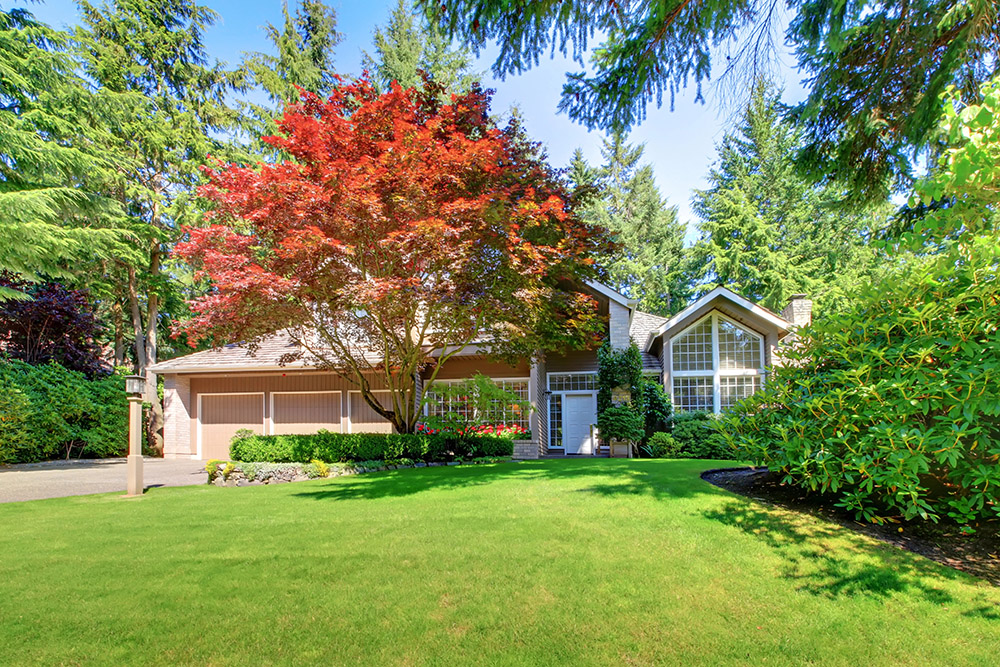
Why Fall Is the Best Time to Plant Trees in the Pacific Northwest

By Nancy Penrose

Many homeowners assume spring is the ideal time to plant trees. While spring is certainly a good season for planting, experienced arborists and professional nurseries throughout the Pacific Northwest often recommend something different: fall.

From September through November, the weather and soil conditions create an environment that encourages strong root development while minimizing stress on newly planted trees. Whether you’re planting a colorful maple, a flowering dogwood, or privacy trees, fall offers several advantages that can help your investment thrive for years to come.

Warm Soil Encourages Root Growth

One of the biggest benefits of fall planting is that the soil remains warm long after the air begins to cool. Throughout the summer, the ground absorbs and stores heat, creating ideal conditions for root growth.

Unlike leaves and branches, which become dormant as temperatures drop, roots continue to grow until the soil temperature falls to around 40°F. This gives newly planted trees several weeks, or even months, to establish themselves before winter arrives.

By the time spring returns, the tree already has a healthy root system in place, allowing it to direct more energy toward producing new leaves and vigorous growth.

Cooler Weather Means Less Stress

Summer can be difficult for newly planted trees. Hot temperatures, strong sunlight, and dry conditions force trees to devote much of their energy to surviving rather than establishing new roots.

Fall’s cooler temperatures dramatically reduce this stress.

With shorter days and milder weather, trees lose less moisture through their leaves. As a result, they require less watering and can focus on developing the root system needed for long-term health.

This is especially important for homeowners who may not be able to water newly planted trees every day during the heat of summer.

The Pacific Northwest Provides Natural Irrigation
One reason fall planting works so well in Washington and Oregon is the return of seasonal rainfall.

After the dry summer months, autumn rains help keep the soil consistently moist without becoming excessively hot. This steady moisture encourages root growth while reducing the amount of supplemental watering homeowners need to provide.

Of course, newly planted trees should still be monitored, especially during unusually dry autumns, but nature often does much of the watering for you.

Trees Get a Head Start on Spring

When you plant in the fall, you’re giving your tree several months to establish itself before the growing season begins.

Instead of spending spring trying to recover from transplant shock, fall-planted trees are ready to take advantage of warmer weather immediately. They often leaf out earlier, grow faster, and establish more quickly than trees planted later in the year.

Over time, this stronger start can make a noticeable difference in the health and appearance of your landscape.

Better Survival Rates

Trees planted during periods of cooler weather generally experience less transplant shock.

Transplant shock occurs when a tree struggles to adapt after being moved from the nursery to its permanent location. Symptoms can include leaf drop, slow growth, and increased vulnerability to insects and disease.

Because fall temperatures are more moderate, newly planted trees lose less water and experience fewer environmental stresses, improving their chances of successful establishment.

A Great Time to Plant Many Tree Varieties
Many popular Pacific Northwest trees perform exceptionally well when planted in the fall, including:

  • Japanese Maple
  • Vine Maple
  • Red Maple
  • Dogwood
  • Serviceberry
  • Birch
  • Flowering Cherry
  • Crabapple
  • Excelsa Cedar
  • Nordman Fir
  • Serbian Spruce
  • Vanderwolf Pine

Whether you’re looking for shade, privacy, fall color, or spring blossoms, fall provides an excellent opportunity to establish healthy, long-lived trees.

Don’t Forget to Mulch
After planting, apply two to four inches of organic mulch around the base of the tree. Keep the mulch a few inches away from the trunk to prevent moisture buildup against the bark, which can encourage disease and decay.

Mulch helps:

  • Retain soil moisture
  • Moderate soil temperature
  • Reduce weed growth
  • Protect developing roots
  • Improve soil quality as it decomposes

Watering Is Still Important
Although fall rains help considerably, newly planted trees still need consistent watering until threat of freezing temperatures arrive.

A deep watering once or twice a week is usually sufficient during dry periods. The goal is to keep the root ball moist—but not waterlogged—as the tree establishes itself.

Once winter arrives, supplemental watering is unnecessary until the following spring when threat of freezing temperatures has passed.

Why Buy from a Local Tree Nursery?
Choosing a locally grown tree offers advantages beyond simply supporting local business.

Trees grown in the Pacific Northwest are already adapted to the region’s soils, rainfall patterns, and climate. Local nursery professionals can also recommend species that perform best in your particular location, whether you’re planting in full sun, partial shade, clay soil, or well-drained ground.

Start Planting This Fall
If you’ve been thinking about adding trees to your property, don’t wait until spring. Fall offers ideal planting conditions that allow trees to establish strong root systems, reduce transplant stress, and prepare for vigorous growth the following year.

Visit our nursery this season to explore our wide selection of healthy, locally grown trees.

Nancy Penrose is the owner of Big Trees Inc., located in Snohomish, WA in the Seattle area. The company is one of the largest tree nurseries in the Seattle area with over 120,000 trees available in over 300 varieties. They not only deliver young trees, but also mature trees in a wide range of sizes. Some types of trees available include fall color, spring flowering, deciduous, evergreen, and privacy trees.

The company also does tree transplanting, including large trees. Their blog can be seen at https://bigtreesupply.com/blog/ or https://arboristblog.com/. They can be reached at 360-563-2700.

Big Trees Inc.
10928 Springhetti Rd
Snohomish, WA 98296
360-563-2700
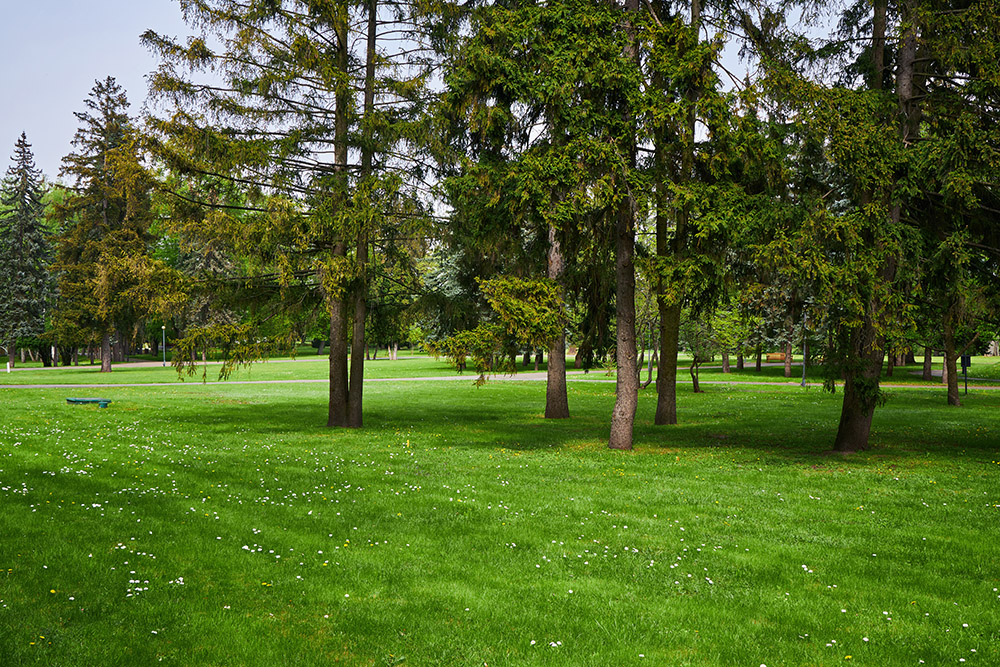
 

Mid-Summer Tree Care Tips: Watering, Pruning, and Pest Control

By Nancy Penrose

Mid-summer heat can put even the healthiest trees under stress. Between rising temperatures, longer dry spells, and a surge in insect activity, this time of year presents a unique set of challenges for homeowners who want their landscapes to stay green and vibrant.

Fortunately, a few consistent care practices around watering, pruning, and pest control can make a significant difference in how well trees handle the peak of summer, and knowing what to look for now can help ensure a strong recovery once cooler weather returns.

Watering: The Foundation of Summer Tree Health

Water is the single most important factor in mid-summer tree care. As temperatures climb, trees lose moisture more quickly through their leaves, and soil can dry out faster than many homeowners expect, especially in areas with sandy or compacted soil.

Deep, infrequent watering is generally more effective than frequent shallow watering. Soaking the soil thoroughly encourages roots to grow deeper, where they are better protected from heat and drought stress. A slow trickle from a hose, a soaker hose, or a drip irrigation system placed near the base of the tree allows water to penetrate the root zone rather than running off the surface.

Newly planted or young trees typically need more frequent watering than mature, established trees, since their root systems have not yet spread wide enough to access deeper soil moisture. Mulching around the base of a tree, while keeping mulch several inches from the trunk, helps retain soil moisture, moderate soil temperature, and reduce weed competition.

Homeowners should check soil moisture regularly rather than watering on a fixed schedule. A simple way to do this is to insert a screwdriver or soil probe a few inches into the ground; if it meets resistance and the soil feels dry, it is time to water.

Pruning: Timing and Technique Matter

While major structural pruning is usually best reserved for late winter or early spring, mid-summer is a good time for light, selective pruning. Removing dead, damaged, or diseased branches helps improve air circulation, reduces the risk of pest infestations, and can prevent small problems from becoming larger ones.

Summer pruning can also help control the size and shape of fast-growing trees, since it is easier to see the full canopy once leaves have filled in. However, homeowners should avoid heavy pruning during extreme heat, as removing too much foliage at once can increase stress on the tree and expose previously shaded bark to sunscald.

When pruning, use clean, sharp tools and make cuts just outside the branch collar rather than flush against the trunk. This allows the tree to heal properly and reduces the risk of decay entering the wound. Tools used on a tree showing signs of disease should be disinfected between cuts to avoid spreading the problem to healthy branches.

Pest Control: Watching for Summer Threats

Warm weather brings increased activity from many common tree pests, including aphids, spider mites, borers, and various types of caterpillars. Mid-summer is an important time to inspect trees regularly for early signs of infestation, such as discolored or curling leaves, sticky residue on foliage, small holes in bark, or sawdust-like material near the base of the trunk.

Stressed trees, particularly those affected by drought, are more vulnerable to pest damage, which makes proper watering an important part of pest prevention. Maintaining tree health through good watering and pruning practices reduces the likelihood of a serious infestation taking hold.

Treatment options vary depending on the pest species and severity of the problem. In many cases, targeted treatments or beneficial insects can manage the issue without broad chemical applications. Homeowners uncertain about the pest or the best course of action should consult a tree care professional to avoid ineffective or harmful treatments.

Putting It All Together

Watering, pruning, and pest control work together to support tree health through the summer months. Consistent deep watering reduces stress, light seasonal pruning removes vulnerabilities, and regular pest monitoring helps catch problems before they escalate. Homeowners who invest time in mid-summer tree care are protecting more than the appearance of their landscape. Healthy, well-maintained trees continue to provide shade, curb appeal, and long-term value for years to come.

Nancy Penrose is the owner of Big Trees Inc., located in Snohomish, WA in the Seattle area. The company is one of the largest tree nurseries in the Seattle area with over 120,000 trees available in over 300 varieties. They not only deliver young trees, but also mature trees in a wide range of sizes. Some types of trees available include fall color, spring flowering, deciduous, evergreen, and privacy trees. The company also does tree transplanting, including large trees. Their blog can be seen at https://bigtreesupply.com/blog/ or https://arboristblog.com/. They can be reached at 360-563-2700.

Big Trees Inc.
10928 Springhetti Rd
Snohomish, WA 98296
360-563-2700
Why Summer Is Still a Great Time to Plant Certain Trees (And Which Ones to Choose)

By Nancy Penrose

Many homeowners assume that spring and fall are the only suitable seasons for planting trees. While those seasons are often ideal, summer can also be an excellent time to plant many types of trees, provided you choose the right varieties and follow proper planting and watering practices.

In fact, summer planting offers several advantages. Garden centers and nurseries are typically well-stocked, weather conditions are predictable, and homeowners have more opportunities to monitor and care for newly planted trees. With the right planning, summer planting can lead to healthy root establishment and long-term landscape success.

The Benefits of Planting Trees in Summer

One of the biggest advantages of summer planting is that trees are actively growing. This allows homeowners to quickly identify healthy specimens with strong foliage and good structure. Unlike dormant trees planted in winter or early spring, summer-planted trees immediately begin contributing beauty, shade, and visual appeal to the landscape.

Another benefit is that warm soil temperatures encourage root development. While top growth may slow during periods of extreme heat, roots often continue expanding beneath the surface when adequate moisture is available. This root growth helps trees become established before cooler weather arrives.

Summer is also a convenient time for landscape improvements. Families spend more time outdoors during the warmer months and can easily observe how sunlight affects different areas of the yard. This makes it easier to select the best locations for shade trees, privacy screens, or ornamental specimens.

Success Starts with Proper Watering

The most important factor in successful summer tree planting is water management. Newly planted trees require consistent moisture while their root systems become established.

After planting, water deeply and thoroughly. Deep watering encourages roots to grow downward into the soil rather than remaining near the surface. Applying a layer of mulch around the base of the tree can help retain moisture, regulate soil temperature, and reduce weed competition. Be sure to keep mulch several inches away from the trunk to prevent rot and pest problems.

Monitoring soil moisture is especially important during periods of high heat. Depending on the tree species, soil type, and local climate, supplemental watering may be necessary several times per week during the first growing season.

Trees That Perform Well When Planted in Summer

While nearly any container-grown tree can be planted during summer with proper care, some species are particularly well-suited for warm-weather planting.

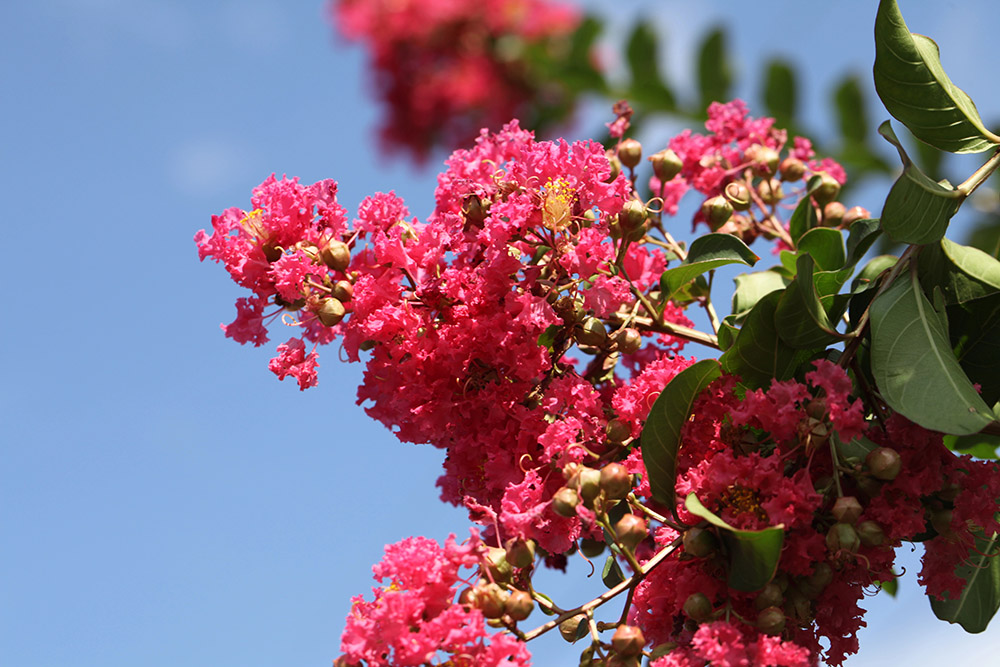
Crape Myrtle

Crape myrtles are among the best summer-planted trees. These attractive flowering trees thrive in warm climates and produce vibrant blooms throughout the summer months. Available in a variety of colors, including pink, red, purple, and white, crape myrtles provide long-lasting seasonal interest while requiring relatively low maintenance once established.

Magnolia

Many magnolia varieties adapt well to summer planting, especially when purchased as container-grown specimens. Known for their large, fragrant flowers and glossy foliage, magnolias create a striking focal point in residential landscapes.

Japanese Maple

For homeowners seeking ornamental beauty, Japanese maples are an excellent choice. Their elegant branching structure and colorful foliage make them standout landscape features. Summer planting can be successful when these trees are placed in appropriate locations with protection from intense afternoon sun.

Planning for Long-Term Success

Tree planting is an investment in the future of your property. A properly selected and planted tree can provide decades of beauty, shade, energy savings, and environmental benefits.
When choosing a tree, consider factors such as mature size, sun exposure, soil conditions, water requirements, and proximity to structures or utility lines. Selecting the right species for your location will greatly increase the likelihood of long-term success.

Don’t Rule Out Summer Planting

While spring and fall often receive most of the attention, summer remains a viable and productive season for planting many tree species. With proper watering, mulching, and care, trees planted during the warmer months can establish healthy root systems and thrive for years to come.

If you’ve been thinking about enhancing your landscape, creating more shade, or adding visual interest to your property, don’t wait until autumn. The right tree planted this summer can begin transforming your yard immediately while providing lasting benefits for generations.
Nancy Penrose is the owner of Big Trees Inc., located in Snohomish, WA in the Seattle area. The company is one of the largest tree nurseries in the Seattle area with over 120,000 trees available in over 300 varieties. They not only deliver young trees, but also mature trees in a wide range of sizes. Some types of trees available include fall color, spring flowering, deciduous, evergreen, and privacy trees. The company also does tree transplanting, including large trees. Their blog can be seen at https://bigtreesupply.com/blog/ or https://arboristblog.com/. They can be reached at 360-563-2700.

Big Trees Inc.
10928 Springhetti Rd
Snohomish, WA 98296
360-563-2700
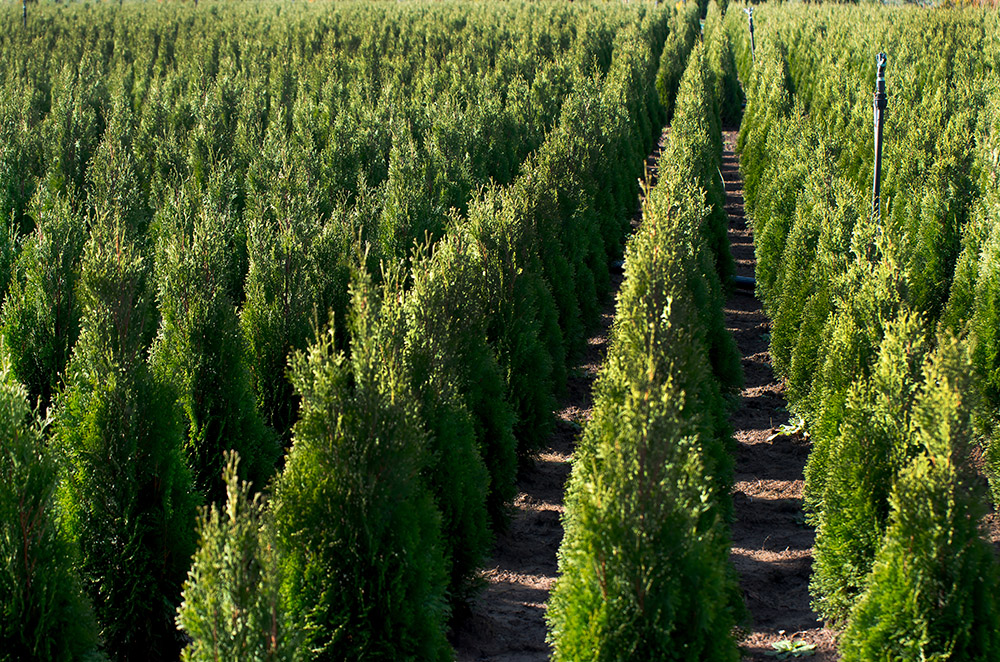
Evergreens in Summer: Care and Selection Tips from Big Trees Inc.

By Nancy Penrose

Evergreen trees are often associated with winter landscapes, holiday greenery, and year-round color. But summer is one of the most important seasons for selecting, planting, and caring for evergreens. Whether you are adding privacy to your yard, creating a windbreak, or simply enhancing your landscape with beautiful year-round foliage, choosing the right evergreen and giving it proper summer care will help ensure healthy growth for years to come.

At the nursery, summer is an excellent time to evaluate evergreens in full growth. You can see the richness of their color, inspect their health, and compare sizes and varieties. With the right guidance, you can select trees and shrubs that thrive in your climate and fit your landscape goals perfectly.

Why Evergreens Are a Smart Landscaping Choice
Evergreens retain their foliage throughout the year, making them one of the most versatile and valuable additions to any landscape. Unlike deciduous trees that lose their leaves in autumn, evergreens provide constant structure, color, and screening.

Popular benefits of evergreens include:

  • Year-round privacy
  • Noise reduction
  • Wind protection
  • Erosion control
  • Habitat for birds and beneficial wildlife
  • Increased property value
  • Low-maintenance beauty

Whether you choose towering conifers like Blue Spruce or compact shrubs such as Boxwood, evergreens provide dependable performance in virtually every type of landscape.

Some of the most popular evergreen choices include:

Arborvitae
A favorite for privacy hedges, arborvitae grows quickly and forms dense green walls. Varieties such as Emerald Green and Green Giant are especially popular.

Excelsa Cedar
Known for rapid growth and good screening, but tops out around 30 feet.
Blue Spruce
This striking conifer offers distinctive blue needles and a classic pyramidal shape.

Leyland Cypress
A fast-growing option for large privacy screens, especially in warmer climates.

Japanese Yew
Excellent for foundation plantings and shaded locations, yews tolerate pruning well.

Vanderwolf Pine
A dense pine with bluish tint that tops out around 30 feet.

Your local nursery can help you determine which varieties perform best in your soil, sun exposure, and USDA hardiness zone.

Summer Care Tips for Healthy Evergreens
Summer heat places added stress on newly planted evergreens. Following a few simple care practices will help them establish strong roots and maintain vibrant foliage.

Water Deeply and Consistently
Evergreens need regular watering during their first year after planting. The goal is to moisten the root zone thoroughly.
Watch for signs of drought stress, including:

  • Browning needle tips
  • Drooping branches
  • Dry soil several inches below the surface

Apply Mulch
A two- to three-inch layer of mulch helps retain moisture, regulate soil temperature, and suppress weeds. Keep mulch a few inches away from the trunk to prevent rot.  

Avoid Excess Fertilizer
Newly planted evergreens typically do not require heavy fertilization in summer. Too much fertilizer can stimulate tender growth that is more vulnerable to heat stress.

Monitor for Pests
Summer is the prime season for insects such as spider mites, bagworms, and scale. Inspect foliage regularly and consult your nursery if you notice discoloration or unusual webbing.

Choosing the Right Evergreen for Your Landscape
Before purchasing an evergreen, consider its mature height, width, and growth rate. A small container plant can eventually become a substantial tree, so planning ahead is essential.

Ask yourself:

  • How much privacy do I need?
  • What is the available planting space?
  • How much sunlight does the area receive?
  • Is the soil well-drained?
  • How quickly do I want the plant to grow?

Nursery professionals can guide you toward selections that match both your design goals and maintenance preferences.

Common Mistakes to Avoid
When planting evergreens in summer, avoid these common problems:

  • Planting too deeply
  • Allowing roots to dry out before planting
  • Overwatering poorly drained soils
  • Ignoring mature size
  • Skipping mulch
  • Neglecting watering during hot weather

By taking a little extra care during the first growing season, you set the foundation for decades of healthy growth.

Why Buy Evergreens from a Local Nursery?
Local nurseries like Big Trees Inc. offer several advantages over big-box stores. Plants are often better cared for, more regionally adapted, and backed by knowledgeable staff who understand local growing conditions.

When you visit Big Trees Inc. in summer, you can inspect each plant for healthy color, strong branching, and vigorous growth. You also gain access to expert advice on planting, watering, and long-term maintenance.

Enjoy Year-Round Beauty
Evergreens are among the most rewarding landscape plants you can choose. They provide lasting privacy, structure, and color while requiring relatively little maintenance once established.

Summer is an ideal season to select healthy specimens and give them the attention they need to thrive. With the right evergreen varieties and proper care, your landscape will remain lush, green, and inviting in every season.

Nancy Penrose is the owner of Big Trees Inc., located in Snohomish, WA in the Seattle area. The company is one of the largest tree nurseries in the Seattle area with over 120,000 trees available in over 300 varieties. They not only deliver young trees, but also mature trees in a wide range of sizes. Some types of trees available include fall color, spring flowering, deciduous, evergreen, and privacy trees. The company also does tree transplanting, including large trees. Their blog can be seen at https://bigtreesupply.com/blog/ or https://arboristblog.com/. They can be reached at 360-563-2700.

Big Trees Inc.
10928 Springhetti Rd
Snohomish, WA 98296
360-563-2700
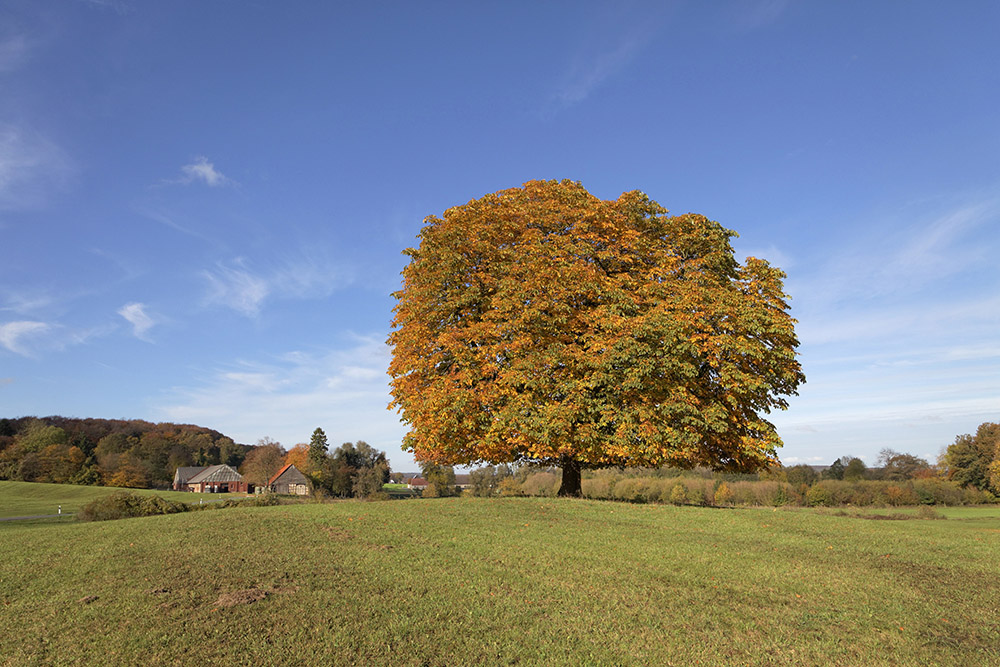
 

8 Great Trees for Providing Summer Shade

By Nancy Penrose


When summer temperatures rise, a well-placed shade tree can make all the difference in your outdoor comfort—and even reduce your energy bills. The right tree not only cools your yard but also enhances curb appeal, increases property value, and creates a relaxing natural retreat. If you’re considering planting for shade, here are eight excellent tree options that combine beauty, growth potential, and cooling benefits.

1. Red Maple
The Red Maple is one of the most popular shade trees in North America, and for good reason. It grows relatively quickly and develops a broad, rounded canopy that provides ample shade. Its vibrant red foliage in the fall adds seasonal interest, making it both practical and visually appealing.

Red Maples adapt well to a variety of soil types and climates, making them a versatile choice for homeowners looking for reliable shade.

2. Oak Trees
Oak trees are known for their strength, longevity, and expansive canopies. Varieties like the Red Oak or Pin Oak can grow quite large, offering dense shade that’s perfect for large yards.

The ‘Red’ Oak tree becomes a tall, significant deciduous tree with green leaves.  It develops into a very large shade tree with red fall color. 

3. Vine Maple
A northwest native known for its brilliant fall color and graceful growth habit. The Vine Maple is typically found as a multi-stemmed tree. It gives a good fall color showing with changes from yellow to orange to red tones. 

4. Norway Maple
Norway maple is a non-native tree that resembles Minnesota’s native sugar maple. It became a popular shade and boulevard tree because of its attractive dense habit, an appealing array of leaf color and variegation, ease of transplanting, vigorous growth rate, its ability to grow over a wide range of soils, resistance to damage during wind and ice storms, and its tolerance to air pollution. 

5. Japanese Maple
Japanese maples are generally grown for their attractive foliage and shape. Specimen/accent or group around the home or yard or periphery of the border. Good sun-dappled understory tree. Woodland garden margins. Good fall color. 

6. Western Red Cedar
The Western Red cedar, is native to the Pacific Northwest where it is typically found in cool but moist forest areas and bottomlands from southern Alaska along the Pacific coast to northern California and in the northern Rockies from British Columbia to Montana. 

7. Southern Magnolia
If you’re looking for a tree that provides both shade and year-round greenery, the Southern Magnolia is a fantastic option. Its large, glossy leaves create dense shade, while its fragrant white flowers add elegance and charm.

This tree is especially well-suited to warmer climates and can serve as a focal point in your landscaping design.

8. Katsura
Katsura’s make for an excellent choice for a shade tree in large gardens. With their unique heart shaped leaves and wonderful fall color, the Katsura provides outstanding shade coverage. They also have a high tolerance to urban pollutants and are low maintenance. Additionally, with their sweet smelling fall foliage and long life span, the Katsura is an exceptional choice for a shade tree.

Choosing the Right Shade Tree
When selecting a shade tree, consider more than just how quickly it grows. Think about your available space, soil conditions, and long-term maintenance needs. Some trees, like oaks, require patience but reward you with decades of reliable shade. Others, like maples, provide faster results but may need more upkeep.

Placement is also key. Planting a tree on the south or west side of your home can help block the sun during the hottest parts of the day, potentially lowering cooling costs during the summer months.

Final Thoughts
Planting a shade tree is one of the most effective and rewarding ways to improve your outdoor environment. Whether you prefer the fast growth of a maple or the enduring strength of an oak, the right tree can transform your yard into a cool, inviting space.
With a little planning and care, your shade tree will not only provide relief from the summer heat but also become a lasting part of your home’s landscape for years to come.

Nancy Penrose is the owner of Big Trees Inc., located in Snohomish, WA in the Seattle area. The company is one of the largest tree nurseries in the Seattle area with over 120,000 trees available in over 300 varieties. They not only deliver young trees, but also mature trees in a wide range of sizes. Some types of trees available include fall color, spring flowering, deciduous, evergreen, and privacy trees. The company also does tree transplanting, including large trees. Their blog can be seen at https://bigtreesupply.com/blog/ or https://arboristblog.com/. They can be reached at 360-563-2700.

Big Trees Inc.
10928 Springhetti Rd
Snohomish, WA 98296
360-563-2700
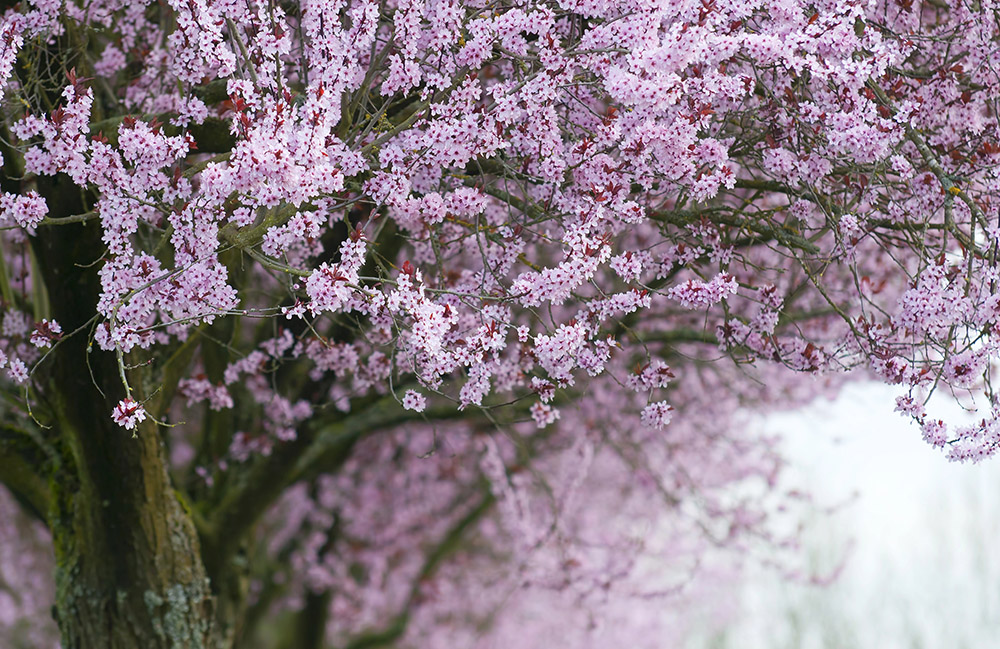
 

How Flowering Trees Improve Air Quality and Outdoor Comfort

By Nancy Penrose

Flowering trees are often planted for their beauty, seasonal color, and ability to enhance curb appeal. However, their benefits go far beyond aesthetics. These trees can play a meaningful role in improving air quality, moderating temperatures, and creating more comfortable outdoor environments around homes and neighborhoods.

For homeowners, businesses, and communities looking to improve their outdoor spaces, flowering trees offer a practical and natural solution. By filtering pollutants, providing shade, and supporting healthier ecosystems, these trees help make outdoor areas cleaner, cooler, and more enjoyable.

Natural Air Filters for Your Yard

One of the most important environmental benefits of flowering trees is their ability to improve air quality. Trees act as natural air filters, absorbing harmful pollutants and trapping dust and particulate matter on their leaves.

Through the process of photosynthesis, trees absorb carbon dioxide from the air and release oxygen. This process helps reduce greenhouse gases and contributes to cleaner air overall. In urban and suburban environments where pollution levels tend to be higher, the presence of trees can make a noticeable difference in air quality.

The leaves and bark of trees also capture airborne particles such as dust, smoke, and pollen. These pollutants often settle onto the surface of leaves where they are later washed away by rain. Over time, this filtering effect helps reduce the amount of particulate matter circulating in the air around homes and streets.

Flowering trees provide these same air-cleaning benefits while also offering seasonal visual interest.

Cooling Your Outdoor Environment

Another major benefit of flowering trees is their ability to reduce heat and create cooler outdoor spaces. During warm months, trees provide shade that helps lower ground and air temperatures around homes and buildings.

Shaded areas under trees can be significantly cooler than nearby exposed surfaces such as concrete or asphalt. By blocking direct sunlight, trees prevent heat from building up on patios, walkways, driveways, and building walls.

In addition to shade, trees also cool the air through a process called transpiration. As water evaporates from the leaves, it removes heat from the surrounding air, producing a natural cooling effect similar to how perspiration cools the human body.

When strategically planted around a property, flowering trees can help reduce the “heat island” effect commonly found in urban and suburban environments. This can make outdoor living spaces far more comfortable during hot spring and summer days.

Creating Comfortable Outdoor Living Spaces

Flowering trees can transform outdoor areas into more pleasant and usable environments. Their shade, beauty, and ability to soften harsh sunlight make patios, gardens, and yards more inviting places to relax.

Many homeowners plant flowering trees near outdoor seating areas, decks, or walkways to create natural shade canopies. In spring, the blossoms add color and fragrance that enhance the overall outdoor experience.

Trees also act as natural windbreaks, helping reduce strong winds that can make outdoor areas uncomfortable. Even a few strategically placed trees can significantly improve the comfort level of a backyard or garden space.

For families who enjoy spending time outside, flowering trees help create a landscape that feels cooler, calmer, and more connected to nature.

Supporting Pollinators and Wildlife

Beyond air quality and temperature control, flowering trees support local ecosystems in important ways. Their blossoms provide nectar and pollen for pollinators such as bees, butterflies, and hummingbirds.

Pollinators play a vital role in maintaining healthy plant populations and supporting food production. By planting flowering trees, homeowners can help sustain these beneficial species while creating a more vibrant and diverse landscape.

Many flowering trees also produce berries or small fruits that attract birds and other wildlife. This adds life and movement to outdoor spaces while contributing to a balanced ecosystem.

Reducing Noise and Improving Atmosphere

Another often overlooked benefit of trees is their ability to reduce noise pollution. The leaves, branches, and trunks of trees help absorb and deflect sound, which can soften the impact of nearby traffic, construction, or neighborhood noise.

While trees won’t eliminate noise entirely, a row of flowering trees can create a noticeable reduction in sound levels. This contributes to a quieter and more peaceful outdoor environment.

In addition, trees create a visual buffer that makes spaces feel more private and relaxing. Their presence can transform a plain yard into a calming retreat.

Boosting Property Appeal

Flowering trees not only improve environmental conditions but also enhance the visual appeal of a property. A yard filled with spring blossoms immediately feels more welcoming and well-designed.

Real estate professionals often note that mature trees can increase perceived property value and curb appeal. Flowering varieties add the extra advantage of seasonal color, making landscapes stand out during peak blooming periods.

For homeowners looking to improve both the function and appearance of their outdoor spaces, flowering trees offer one of the most cost-effective landscaping upgrades available.

A Simple Step Toward a Healthier Environment

Planting flowering trees is a simple yet powerful way to improve the environment around your home. These trees help filter the air, cool outdoor spaces, support wildlife, and create more comfortable places for people to spend time outside.

Whether planted along walkways, near patios, or throughout a yard, flowering trees deliver lasting benefits that extend far beyond their beautiful spring blooms.

By adding just a few well-chosen trees to your landscape, you can create a healthier, cooler, and more enjoyable outdoor environment for years to come.

Nancy Penrose is the owner of Big Trees Inc., located in Snohomish, WA in the Seattle area. The company is one of the largest tree nurseries in the Seattle area with over 120,000 trees available in over 300 varieties. They not only deliver young trees, but also mature trees in a wide range of sizes. Some types of trees available include fall color, spring flowering, deciduous, evergreen, and privacy trees. The company also does tree transplanting, including large trees. Their blog can be seen at https://bigtreesupply.com/blog/ or https://arboristblog.com/. They can be reached at 360-563-2700.

Big Trees Inc.
10928 Springhetti Rd
Snohomish, WA 98296
360-563-2700


How Flowering Trees Improve Property Value in Spring and Beyond

By Nancy Penrose

When homeowners think about increasing property value, they often focus on interior renovations — kitchens, bathrooms, or flooring upgrades. But one of the most cost-effective ways to enhance both perceived and actual home value happens outside the home: planting flowering trees. These landscape additions do far more than provide seasonal beauty. They improve curb appeal, create long-term environmental benefits, and make properties more attractive to buyers year-round.

Whether you plan to sell soon or simply want to invest wisely in your home, flowering trees can deliver lasting value in ways many homeowners don’t fully realize.

First Impressions Matter: Instant Curb Appeal
Real estate professionals consistently emphasize the importance of first impressions. A home’s exterior is the first thing visitors — and potential buyers — notice, and flowering trees dramatically enhance visual appeal during spring.

When trees burst into bloom, they add color, texture, and dimension that lawns and shrubs alone cannot provide. A well-placed flowering tree near an entryway, driveway, or front yard creates a welcoming focal point that immediately signals care and maintenance.

Studies in real estate marketing have shown that homes with attractive landscaping can sell faster and often command higher offers. Spring blooms naturally draw attention in listing photos and drive-by viewings, helping a property stand out in competitive markets.

Increased Perceived Home Value
Flowering trees contribute to something known as perceived value. Buyers often associate mature landscaping with stability, quality, and reduced future work. A property with established trees feels more complete and move-in ready compared to one with sparse or newly planted landscaping.

Flowering tree varieties provide an added emotional impact. Blossoms create a sense of warmth and livability, helping buyers imagine themselves enjoying the space. This emotional connection can influence purchasing decisions just as strongly as square footage or interior upgrades.

In many cases, relatively modest investments in landscaping yield returns comparable to or greater than certain indoor renovations.

Seasonal Beauty That Extends Beyond Spring
While spring blooms may be the highlight, flowering trees provide benefits throughout the year. Many species offer multi-season interest, which enhances property appeal long after petals fall.

Depending on the variety, homeowners can enjoy:

  • Lush green summer canopies that provide shade
  • Attractive foliage color in autumn
  • Interesting bark textures or branching patterns in winter
  • Decorative fruit or seed structures that add visual interest

This year-round beauty ensures the landscape continues contributing to property value regardless of the season a home is listed or viewed.

Energy Savings Through Natural Shade
One often overlooked financial benefit of flowering trees is energy efficiency. Strategically planted trees can reduce cooling costs by shading homes during hot months.

Shade trees planted on the south and west sides of a property help block direct sunlight, lowering indoor temperatures and reducing reliance on air conditioning. Over time, this can translate into meaningful savings on energy bills, an appealing selling point for environmentally conscious buyers.

Additionally, trees help moderate surrounding air temperatures, creating more comfortable outdoor living spaces such as patios and gardens.

Environmental Benefits Buyers Appreciate
Today’s homebuyers increasingly value sustainability and environmentally friendly features. Flowering trees support healthier ecosystems in several ways:

  • Improving air quality by filtering pollutants
  • Absorbing carbon dioxide
  • Reducing stormwater runoff through root systems
  • Supporting pollinators like bees and butterflies

These ecological benefits contribute to a greener property overall, which can enhance market appeal — especially in communities where outdoor living and environmental stewardship are priorities.

Privacy and Noise Reduction
As flowering trees mature, they create natural screening that enhances privacy. Planted along property lines or near outdoor seating areas, they soften views from neighboring homes and nearby streets.

Tree canopies and foliage also help dampen sound, reducing traffic or neighborhood noise. This added sense of quiet and seclusion can make a property feel more peaceful and premium, qualities buyers are often willing to pay more for.

Low Maintenance, Long-Term Investment
Compared to many home improvement projects, flowering trees require relatively low ongoing maintenance once established. Proper species selection and placement are key to maximizing benefits while minimizing upkeep.

Choosing trees suited to the local climate and soil conditions ensures healthy growth and reliable blooming year after year. A reputable tree nursery can help homeowners select varieties that balance beauty, durability, and manageable care requirements.

Unlike short-lived landscaping features, trees continue growing in value over time. As they mature, their visual impact and functional benefits increase, making them one of the few home improvements that appreciate naturally.

A Smart Addition for Future Resale
Even if selling isn’t on the immediate horizon, planting flowering trees now is a forward-thinking investment. Trees take time to mature, and buyers often place higher value on established landscapes than newly planted ones.

By adding flowering trees today, homeowners allow them to develop size, structure, and presence, all of which contribute to higher resale appeal later. Mature trees can become defining features of a property, helping it stand out in listing photos and neighborhood comparisons.

Bringing Beauty and Value Together
Flowering trees offer a rare combination of aesthetic charm and practical advantages. They enhance curb appeal, reduce energy costs, support the environment, and create outdoor spaces people genuinely enjoy. Most importantly, they provide lasting improvements that grow more valuable with time.

For homeowners looking to boost property value in a natural, sustainable way, planting flowering trees is one of the smartest landscape investments available. With the right selection and placement, the beauty that begins in spring can continue adding value — financially and visually — for decades to come.


Nancy Penrose is the owner of Big Trees Inc., located in Snohomish, WA in the Seattle area. The company is one of the largest tree nurseries in the Seattle area with over 120,000 trees available in over 300 varieties. They not only deliver young trees, but also mature trees in a wide range of sizes. Some types of trees available include fall color, spring flowering, deciduous, evergreen, and privacy trees. The company also does tree transplanting, including large trees. Their blog can be seen at https://bigtreesupply.com/blog/ or https://arboristblog.com/. They can be reached at 360-563-2700.

Big Trees Inc.
10928 Springhetti Rd
Snohomish, WA 98296
360-563-2700


How to Prepare Your Yard Now for a Stunning Spring Landscape

By Nancy Penrose


Spring may feel far away, but the steps you take now will have a major impact on how your yard looks, and how your trees perform, when warmer weather arrives. For homeowners who want a lush, healthy, and visually striking landscape, winter and late-season preparation is especially important for yard trees.

Trees are long-term investments. Proper care during the cooler months helps them establish stronger roots, resist disease, and produce vibrant foliage in spring. Whether you’re nurturing mature trees or planning to plant new ones, early preparation sets the foundation for success.

Below are key steps homeowners can take now to prepare their yard trees for a stunning spring landscape.

Evaluate the Health of Your Existing Trees
Before spring growth begins, take time to inspect the trees already in your yard. Without dense foliage, it’s easier to spot structural issues, dead branches, or signs of disease.
Look for:

  • Broken, cracked, or hanging limbs
  • Dead or discolored branches
  • Fungal growth on trunks or roots
  • Signs of pests such as holes, sawdust, or damaged bark

Addressing these problems early prevents further damage and allows trees to direct energy toward healthy spring growth. If you’re unsure what you’re seeing, consulting a professional arborist or tree nursery expert can help determine the best course of action.

Prune Strategically for Stronger Growth
Late fall through winter is an ideal time to prune many deciduous trees. With leaves gone, the tree’s structure is visible, making it easier to remove problematic branches without stressing the tree.
Proper pruning:

  • Encourages healthier, more balanced growth
  • Improves airflow and sunlight penetration
  • Reduces the risk of storm damage
  • Enhances the tree’s natural shape

Avoid over-pruning, which can weaken trees and trigger excessive growth in spring. Each species has different pruning requirements, so it’s important to understand the needs of your specific trees or seek professional guidance.

Improve Soil Conditions Around Trees
Healthy trees start with healthy soil. Over time, soil can become compacted, nutrient-depleted, or poorly drained, especially in high-traffic yards.
Preparing soil now allows nutrients to be available when trees begin active growth in spring. Consider:

  • Loosening compacted soil around the root zone
  • Adding organic matter such as compost or mulch
  • Testing soil pH and nutrient levels

Avoid piling soil or mulch directly against the trunk, which can cause rot and invite pests. A well-maintained root zone helps trees absorb water and nutrients more efficiently once temperatures rise.

Mulch for Protection and Moisture Retention
Applying mulch around trees is one of the simplest and most effective steps homeowners can take. Mulch insulates roots against temperature swings, retains moisture, and suppresses weeds that compete for nutrients.
Apply a 2–4 inch layer of mulch in a wide ring around the tree, keeping it several inches away from the trunk. This “donut” approach protects roots while allowing proper airflow at the base.
Mulching now ensures trees are protected through the remaining cool months and ready for vigorous spring growth.

Plan Ahead for New Tree Plantings
If you’re considering adding trees to your yard, now is the perfect time to plan. Early preparation allows you to select the right species for your climate, soil, and available space.
When choosing new trees, consider:

  • Mature size and canopy spread
  • Sun and water requirements
  • Proximity to structures, utilities, and other plants
  • Seasonal interest such as spring blooms or fall color

Many trees establish best when planted before spring growth begins, allowing roots to settle in cool, moist soil. Working with a knowledgeable tree nursery helps ensure you choose healthy specimens suited to your landscape goals.

Check Irrigation and Drainage
Winter rains can reveal drainage issues that may impact tree health. Standing water around tree roots can lead to root rot and other problems once temperatures increase.
Inspect irrigation systems and natural drainage patterns now. Make sure water flows away from trunks and that irrigation systems are properly adjusted before spring use. Trees benefit from deep, infrequent watering rather than frequent shallow watering.
Addressing these issues early prevents stress during peak growing season.

Protect Trees from Late-Season Stress
Even in mild climates, trees can experience stress from fluctuating temperatures, wind, or late frosts. Young and newly planted trees are especially vulnerable.
Use stakes only if necessary, and ensure ties are loose enough to allow natural movement. Remove stakes once trees are established to prevent weak trunk development.
Healthy trees that experience minimal stress during winter are far better equipped to produce vibrant foliage and strong growth in spring.

Set the Stage for a Standout Spring Landscape
A stunning spring landscape doesn’t happen by accident—it’s the result of thoughtful preparation and proper tree care months in advance. By evaluating tree health, pruning strategically, improving soil, and planning new plantings now, homeowners give their yard trees everything they need to thrive.

Trees provide structure, shade, beauty, and long-term value to any landscape. With the right care today, they’ll reward you with a healthier, more beautiful yard when spring arrives.

For expert advice, high-quality trees, and personalized recommendations, your local tree nursery is an invaluable resource for preparing your landscape for the season ahead.

Nancy Penrose is the owner of Big Trees Inc., located in Snohomish, WA in the Seattle area. The company is one of the largest tree nurseries in the Seattle area with over 120,000 trees available in over 300 varieties. They not only deliver young trees, but also mature trees in a wide range of sizes. Some types of trees available include fall color, spring flowering, deciduous, evergreen, and privacy trees. The company also does tree transplanting, including large trees. Their blog can be seen at https://bigtreesupply.com/blog/ or https://arboristblog.com/. They can be reached at 360-563-2700.

Big Trees Inc.
10928 Springhetti Rd
Snohomish, WA 98296
360-563-2700

Why Your Trees Still Need You During Their Winter “Sleep”

By Nancy Penrose

When winter arrives, most people assume their trees tuck themselves into a cozy, bark-covered blanket, drift into a deep botanical sleep, and wake up in spring fresh, revived, and ready to grow.
While it’s true that trees do enter a period of dormancy, this seasonal “nap” is not as hands-off as many homeowners think. In fact, winter is one of the most important times of year to give your trees the care and protection they need to thrive when the snow melts and the growing season returns.

Just like a hibernating bear still needs a safe den and stored energy, your trees still depend on you. Yes, even during their winter downtime. Here’s why winter care matters and how you can give your trees the support they need during their cold-weather “sleep.”

Dormant Doesn’t Mean Dead
Dormancy is a survival mode, not an off switch. Trees slow their metabolism to conserve energy, but they remain very much alive. Beneath the bark, biological processes continue: cells protect themselves from freezing, roots slowly grow whenever soil temperature allows, and stored nutrients keep the tree functioning.

This means your trees are quietly preparing for spring. What you do (or don’t do) during winter affects how healthy and resilient they’ll be when the growing season returns. Ignore a tree during winter, and you may be dealing with pests, structural issues, and weak growth come April.

Winter Is Prime Time for Tree Stress
Winter brings challenges that trees don’t face during any other season. Some of these stresses remain invisible until it’s too late:

1. Freeze–Thaw Cycles
Repeated warming and cooling can cause splits in the bark—known as frost cracks—which weaken the trunk.

2. Winter Burn
Evergreens can lose moisture faster than they can replace it when the ground freezes, leading to browning needles and branch die-off.

3. Heavy Snow and Ice
Branches can break under the weight, especially in young or ornamental species.

4. Animal Damage
Rabbits, deer, and rodents consider your trees a winter snack buffet. Young bark is especially tempting when food is scarce.

Your trees aren’t complaining loudly about these issues, but they feel them. And they need your help to survive them.

Mulch: The Winter Blanket Your Trees Actually Want
If dormancy is your tree’s “sleep,” think of mulch as its fluffy comforter. A 2–4 inch layer of mulch around the base of your trees provides several winter benefits:

  • Insulates the soil, keeping roots warmer
  • Reduces freeze–thaw cycles that heave soil and disrupt root stability
  • Retains moisture during dry winter winds
  • Protects roots from temperature extremes

Just remember: keep mulch a few inches away from the trunk. You’re trying to tuck your tree in, not suffocate it.

Pruning in Winter: Nature’s Version of a Fresh Haircut
Winter is the best season for pruning. With the leaves gone, you have a clear view of the tree’s structure, making it easier to identify dead, diseased, or crossing branches.

Plus, pruning during dormancy:

  • Reduces stress on the tree
  • Minimizes sap loss
  • Helps prevent pest and disease spread
  • Encourages strong spring growth

Think of winter pruning as giving your tree a healthier, more balanced frame to grow from—like getting a good haircut before taking new photos.

Protecting the Trunk: A Simple Step That Can Save Your Tree
Young trees are particularly vulnerable to winter sunscald and animal damage. Here’s an easy fix: wrap the trunk.

Using tree wrap or a protective guard from the nursery:

  • Prevents cracking from rapid temperature changes
  • Stops deer from rubbing their antlers
  • Protects bark from rodents
  • Shields the trunk from harsh winter sun

It’s a small, inexpensive step that can save your tree from major harm.

Snow and Ice: Hands Off the Branches
It’s tempting to whack ice off branches or shake snow from young trees—but resist the urge. Ice can make branches brittle, and shaking can snap them under stress. Instead:

  • Gently broom off light snow (if accessible)
  • Leave ice alone to melt naturally
  • Support split branches with proper pruning, not DIY splints

Sometimes, the best winter care is doing nothing—but intentionally.

Dormancy = Preparation Time
If spring is the season of growth, winter is the season of preparation. By watering, mulching, pruning, and protecting your trees during their winter “sleep,” you’re helping ensure they wake up strong, healthy, and ready to thrive.

Your trees may look like they’re taking the season off, but beneath the surface they’re quietly working—and depending on you to get them safely to spring.

So this winter, grab your gloves, bundle up, and show your trees a little cold-weather love. They might not thank you out loud, but come spring, their vibrant growth will say it all.

Nancy Penrose is the owner of Big Trees Inc., located in Snohomish, WA in the Seattle area. The company is one of the largest tree nurseries in the Seattle area with over 120,000 trees available in over 300 varieties. They not only deliver young trees, but also mature trees in a wide range of sizes. Some types of trees available include fall color, spring flowering, deciduous, evergreen, and privacy trees. The company also does tree transplanting including large trees. Their blog can be seen at https://bigtreesupply.com/blog/ or https://arboristblog.com/. They can be reached at 360-563-2700.

Big Trees Inc.
10928 Springhetti Rd
Snohomish, WA 98296
360-563-2700